Arsafy: A Modern Serif Typeface for Editorial Design
I remember the exact moment I realized my latest project needed a change. It was a digital workbook for a life coaching course, and while the content was solid, the typography felt flat. The cover was screaming for something with more character, yet it still needed to maintain an air of professional trust. That is when I turned to Arsafy, a modern and authentic serif font that has quickly become a staple in my editorial toolkit.
In the world of editorial design, finding the right typeface is less about following trends and more about establishing a mood that resonates with your audience. Arsafy isn't just another decorative option; it is a versatile serif font designed to bridge the gap between classic elegance and contemporary clarity. Whether you are redesigning a blog header, creating a wedding guide, or structuring a newsletter graphic, this premium font offers the visual rhythm needed to elevate your publication identity.
Discovering the Character of Arsafy
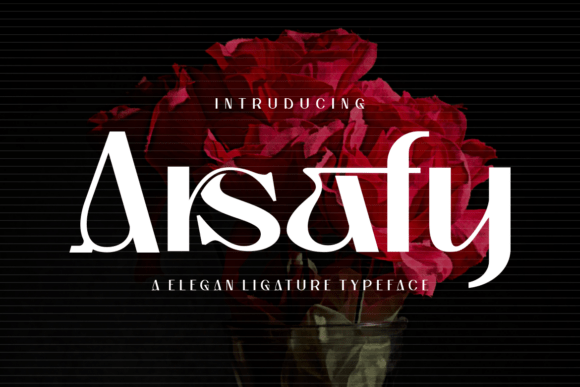
When you first open the file set for Arsafy, the immediate impression is one of refined confidence. Unlike many display fonts that prioritize shock value over substance, Arsafy feels grounded. It possesses a distinct personality that is both warm and authoritative, making it ideal for brands that want to communicate authenticity without appearing stiff or overly traditional.
The letterforms feature subtle variations in stroke weight that give the text a natural, almost hand-crafted flow. This quality is crucial for brand identity projects where you want the reader to feel a personal connection. In my recent testing, I used Arsafy as the primary display font for a lifestyle blog's homepage. The result was striking; the headers didn't just announce the content, they invited the reader in. The font's unique curves soften the digital experience, reducing the "sterile" feeling often associated with standard web typography.
However, Arsafy is not merely a stylistic choice; it is a functional tool. Its structure supports strong visual hierarchy, allowing designers to guide the reader's eye through complex layouts. When applied to article titles or magazine covers, it commands attention immediately, ensuring that your most important messages are never lost in the noise of a crowded screen.
Real-World Applications in Publishing and Branding
One of the most satisfying aspects of working with Arsafy is its adaptability across different media formats. I recently tested it on a recipe ebook, and the transformation was immediate. The title page, which previously looked generic, now possessed the charm of a high-end culinary magazine. The font's legibility at larger sizes makes it perfect for cover text, chapter openers, and pull quotes where emphasis is key.
- Blog Headers and Navigation: Using Arsafy for main navigation links or hero sections creates a cohesive look that anchors the site's design.
- Ebook Titles and Course Materials: For authors and course creators, this commercial font adds a layer of professionalism to PDF exports and digital downloads.
- Newsletter Graphics: In email marketing, Arsafy helps subject lines and header graphics stand out in a user's inbox, increasing open rates through better visual engagement.
- Printable Planners and Worksheets: The font's clean lines ensure that labels and instructions remain clear even when printed at smaller scales.
I also explored using Arsafy for a wedding guide layout. The romantic yet structured nature of the typeface perfectly matched the tone of the event planning industry. It allowed me to create a layout that felt intimate and special, rather than corporate. This versatility proves that Arsafy is more than just a creative font; it is a foundational element for diverse design assets.
Readability and Screen Considerations
While Arsafy excels as a display type, understanding its limitations is vital for effective web design and long-form content. In my experience, it is best reserved for headlines, subheadings, and short bursts of text. Attempting to use it for dense paragraphs or small captions can lead to reader fatigue, especially on mobile devices where screen real estate is limited.
For body copy, Arsafy should be paired with a highly readable sans serif font or a neutral serif font. This pairing strategy ensures that the expressive nature of Arsafy provides the emotional hook, while the secondary font handles the heavy lifting of readability. When designing for print materials like brochures or booklets, the font holds up beautifully, offering sharp details that translate well from screen to paper.
It is worth noting that for very small sizes, such as footnotes or legal disclaimers, a simpler typeface might be preferable. Arsafy shines when given room to breathe, allowing its unique features to be appreciated by the viewer.
Building Cohesive Editorial Systems
Successful editorial design relies on consistency. Arsafy contributes significantly to this by providing a strong anchor for your visual language. When used alongside other font pairing elements, it helps establish a clear distinction between different content levels. For instance, using Arsafy for section headings and a clean sans-serif for metadata creates a balanced grid that feels organized and intentional.
This approach is particularly useful for digital magazines and online publications where users scan content rapidly. The distinctiveness of Arsafy allows readers to instantly identify the structure of the article, improving the overall user experience. Furthermore, the font's modern aesthetic ensures that your publication doesn't feel dated, keeping your brand identity fresh and relevant.
Before integrating Arsafy into your next project, it is essential to review the included styles, alternates, and ligatures. Many modern typography packages offer a range of weights that allow for further customization. Checking for multilingual support is also critical if your content targets a global audience, ensuring that your logo design or international editions remain consistent.
Finalizing Your Design Choices
In the end, choosing a typeface is a decision that impacts the soul of your content. Arsafy brings a sense of calm authority and authentic style that is hard to find elsewhere. It respects the integrity of the words it carries while adding a layer of sophisticated design that elevates the entire piece.
Whether you are a blogger looking to refresh your site, a publisher preparing a new issue, or a creator building a digital product, Arsafy offers the reliability and flair needed to succeed. By thoughtfully applying this typeface to your headers, titles, and branding elements, you can create a visual narrative that engages your audience and stands the test of time. If you are ready to bring a touch of modern elegance to your next project, Arsafy is a worthy addition to your design arsenal.